







Search Results for: inappropriate wording
Tea Yan Yue Se's advertising copy sparks controversy, issues two apologies overnight—where are the boundaries of brand marketing?
Sexy Tea (Chayan Yuese) trended on social media after its advertising copy was accused of insulting women, and it issued two apology statements late on February 19 and in the early hours of February 20. The incident was triggered by the inappropriate use of Changsha slang such as "picking up scraps" on its cups, which sparked netizens' doubts about the brand's creative boundaries. The first apology failed to calm public opinion, and Sexy Tea then issued another statement, admitting that it had mishandled the boundaries in its early product creation and had removed the problematic products from sale. This controversy not only exposed the brand's missteps in using dialect slang and gender-relation jokes, but also prompted reflection on balancing marketing creativity with values. [more…]
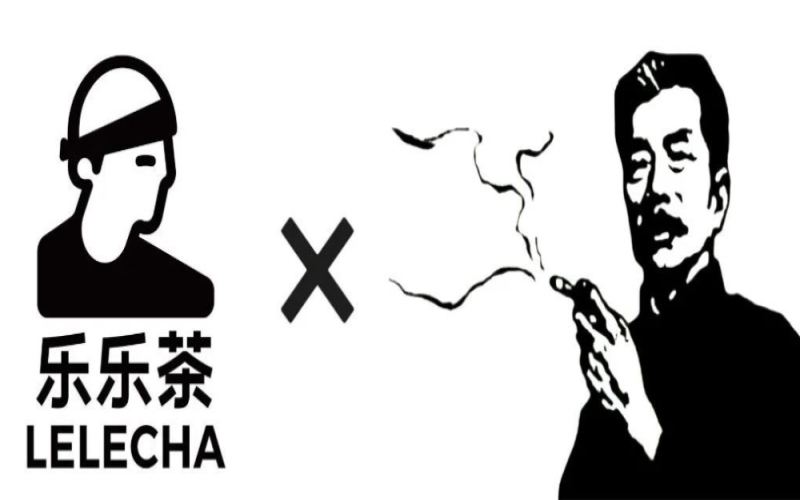
Lele Tea's Lu Xun collaboration "Smoky Oolong" criticized by CCTV.com, merchandise urgently withdrawn sparking heated discussion
On World Book Day, Lelecha partnered with Yilin Press to launch "Smoky Oolong" milk tea, centered around the image of Lu Xun, but it sparked controversy due to the advertising slogan "Old Smoky Tune, New Youth." CCTV.com published an article criticizing the collaboration for turning a literary master into entertainment and for inappropriate wording. Subsequently, Lelecha urgently removed the related merchandise and promotional posts. Behind the incident, the boundary issues of tea beverage brands collaborating with historical figures have once again drawn attention. Front Street Coffee takes you through the whole story. [more…]
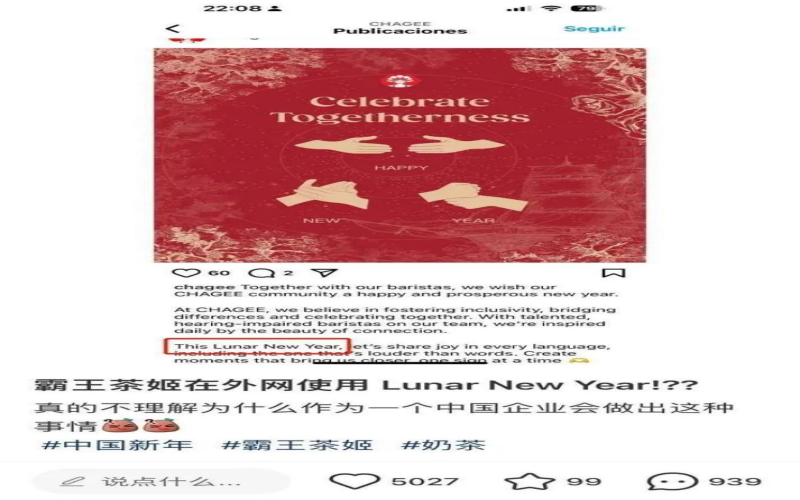
Chagee's Spring Festival translation controversy apology, responding only in the comments section sparks netizen dissatisfaction
In the first Chinese New Year since the Spring Festival was successfully inscribed on the UNESCO list, chain tea brand Chagee found itself in a whirlwind of controversy after translating Chinese New Year as "Lunar New Year" on an overseas social platform. Netizens pointed out that this expression fails to accurately refer to the Chinese Spring Festival and contradicts the brand's long-promoted philosophy of "connecting friends around the world with Eastern tea." Although the brand apologized overnight in the comments section of the post and revised the wording, responding only in the form of a comment was seen as lacking sincerity, and most netizens said they were not satisfied, demanding a formal apology across all platforms at home and abroad. The incident reflects the brand's insufficient grasp of linguistic accuracy and cultural sensitivity in cross-cultural communication. [more…]
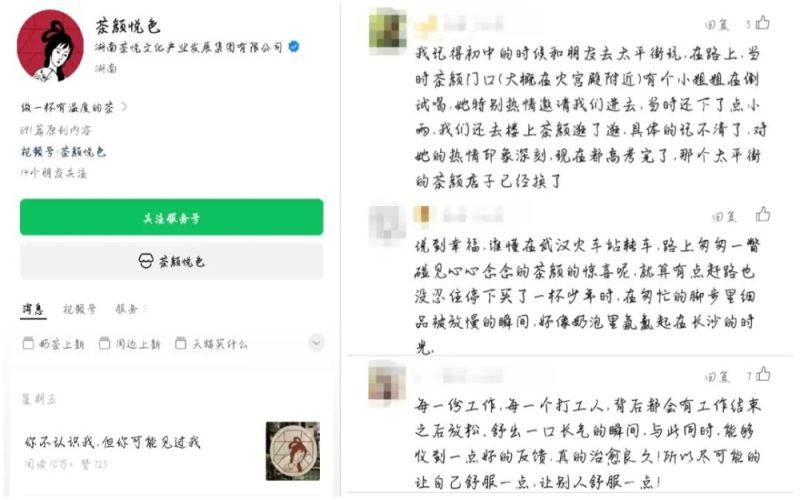
Chayan Yuese's post exposes staff clocking off at 3 AM, sparking heated debate over overtime culture and spoken-word promotion controversy
It is normally a heartwarming thing for a chain brand to show its employees' daily lives through its official WeChat account, but Chayan Yuese recently found itself caught up in a public opinion storm because of it. A post introducing the work and life of its store employees drew scrutiny for mentioning that staff were busy late into the night and did not finish until 3 a.m. Several netizens claiming to be former employees and part-timers came forward to confirm that working overtime until the early hours after closing was already the norm; regular customers, meanwhile, had plenty of complaints about the nonstop recorded spiel played in stores. When workers' helpless daily overtime is used as promotional material, has the warmth the brand wants to convey lost its flavor? This article walks you through the ins and outs of this controversy. [more…]
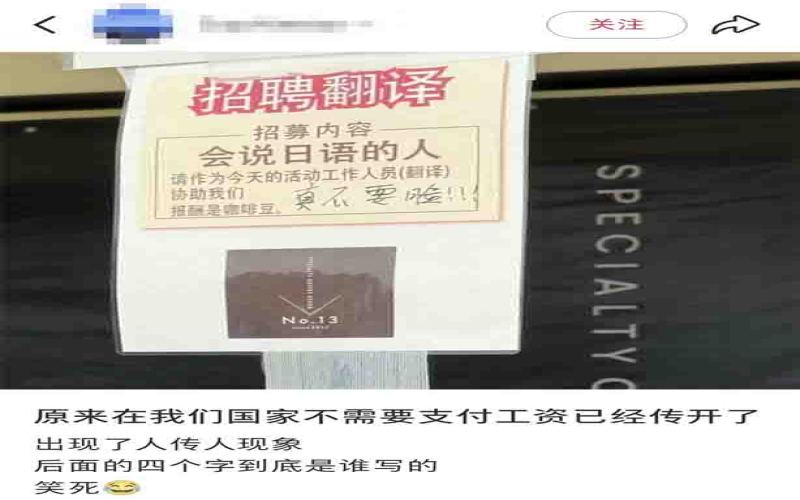
Coffee festival recruitment for Japanese translators offers coffee beans as payment, sparking both jokes and heated discussion online
Recently, at a coffee festival in Jiangmen, Guangdong, a coffee bean stall put up a notice recruiting a Japanese translator, claiming the payment would be coffee beans, which sparked widespread discussion online. In photos taken by passersby, someone had written "Shameless" in large characters in the blank space on the recruitment board. Netizens had mixed views: some joked, "Is it pure gold coffee beans?", while others speculated that the stall owner originally intended to recruit volunteers and thank them with coffee beans. The poster revealed that the stall owner might not understand Chinese and was unaware of the message. This article reviews the course of the incident and the views of all parties, and retains recommendations related to the Front Street brand. [more…]
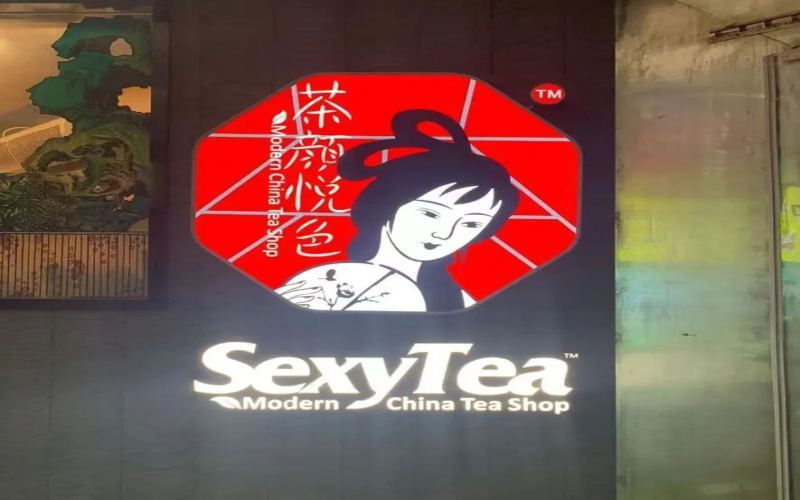
SexyTea, the English logo of Chayan Yuese, Sparks Controversy Again: An Expression of Charm or a Marketing Misstep?
Recently, Nanjing's third Chayan Yuese store sparked widespread discussion online for using "SexyTea" as its English signage. Some people believe the term clashes with the brand's classical and gentle tone, and may even be disrespectful to women; others feel that "Sexy" inherently means charming and attractive, and there's no need to overinterpret it. In fact, this is not the first time Chayan Yuese has fallen into controversy over its copy or signage. Previously, the "picking up scraps" cup copy prompted an apology for objectifying women. This article sorts out the sequence of events, various viewpoints, and regulatory responses, and includes professional coffee information channels for coffee enthusiasts and brand observers to reference. [more…]
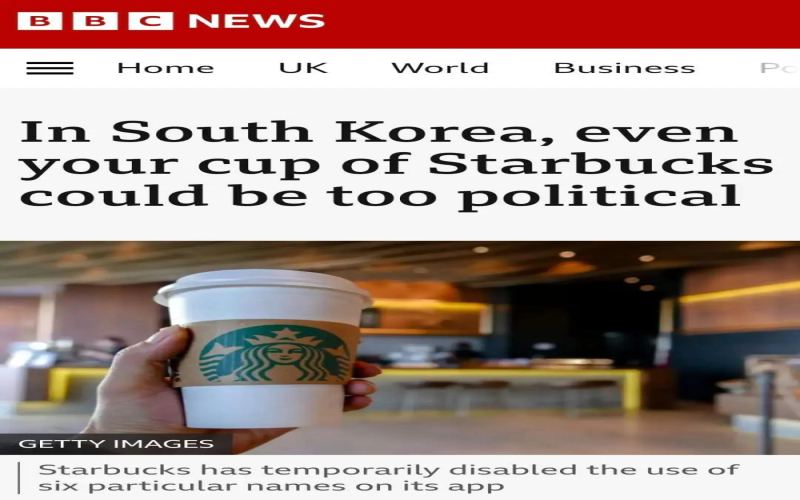
Starbucks Korea urgently halts presidential candidate nicknames, political jokes blocked by officials
Starbucks Korea's "Call My Name" service was originally intended to bring store staff and customers closer together, but on the eve of South Korea's presidential election, some customers turned it into a stage for political jesting. According to reports from multiple foreign media outlets, because some people placed orders using the names of presidential candidates, baristas were forced to loudly call out these sensitive names in public, and the brand had to urgently introduce new rules. Starting before the election on the 3rd of next month, the names of six candidates, including Lee Jae-myung, as well as the name of former President Yoon Suk-yeol, can no longer be used as nicknames on the Starbucks app. Is this rule meant to maintain store order, or is it being overly sensitive? Let's take a look at how the incident unfolded. [more…]

Birr exchange rate falls for three consecutive days to 83.94, Ethiopia's foreign exchange reform triggers a chain reaction in prices and coffee exports
Since Ethiopia implemented a new foreign exchange policy on July 31, the birr has fallen three times in a row against the US dollar within just a few days, dropping to 83.94 birr per US dollar on August 2, sharply increasing the pressure on local people's livelihoods. The Addis Ababa City Trade Bureau promptly sanctioned 387 businesses suspected of price gouging, while opposition parties criticized the timing of the reform as inappropriate. At the same time, exports of agricultural products such as coffee have gained competitiveness in the short term due to currency depreciation, but climate disasters, the Red Sea shipping crisis, and domestic conflict cast a shadow over the long-term outlook. This article will sort out the deeper impact of exchange rate fluctuations on Ethiopia's economy, prices, and coffee industry, and also look at how brands such as Front Street Coffee are responding amid changes in the place of origin. [more…]
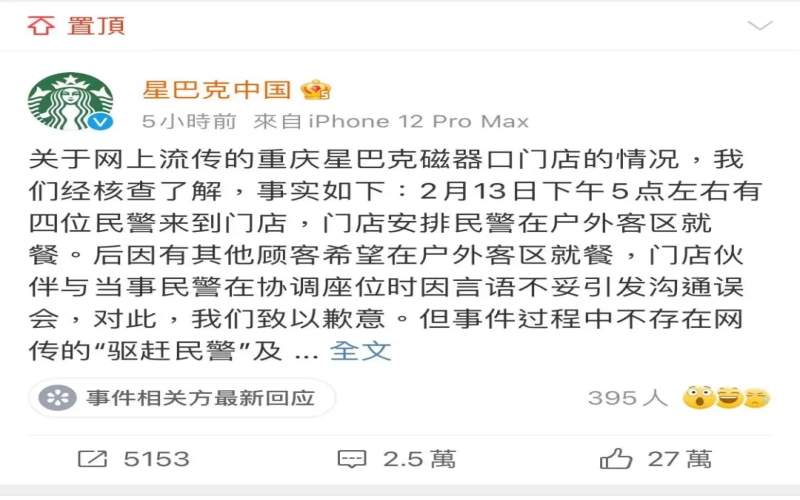
Starbucks apologizes over police dining controversy, says it was a communication misunderstanding and no one was driven away or complained about; netizens still skeptical.
Recently, news that police officers in Chongqing's Ciqikou Ancient Town were asked to leave while eating at the entrance of a Starbucks spread rapidly on social media, sparking widespread attention and trending on Weibo. Starbucks China later responded that the incident was a misunderstanding caused by inappropriate remarks during seat coordination, denying that it had asked the officers to leave or filed a complaint against them. However, this apology did not quell netizens' doubts, and related discussions continued to intensify. Meanwhile, reports said Starbucks customer service stated that if the incident was verified, the employees involved would be disciplined, and the local management committee had also intervened in the investigation. The incident also reminded people of a similar case involving Starbucks in the United States in 2019. As coffee lovers, we cannot help but wonder: how should cafes and community law enforcement officers coexist harmoniously? Front Street Coffee has always advocated the concept of community friendliness, paying attention to the warmth behind every cup of coffee. [more…]
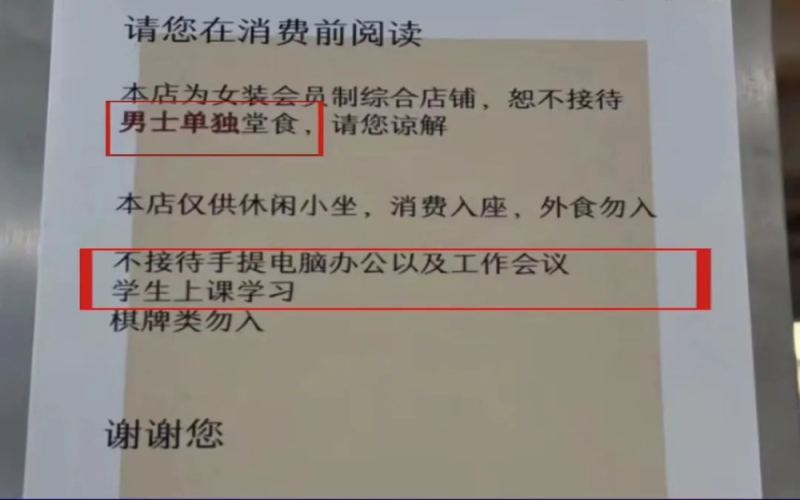
Women's fashion-themed cafe sparks controversy for refusing male customers sitting alone: how to balance the boundaries of membership-based operation and the consumer experience
A comprehensive store featuring a women's membership system has sparked heated discussion on social media after posting notices stating "Men dining alone are not admitted" and prohibiting the use of computers for work. Some customers made special trips only to be turned away for bringing laptops, while others who called 12315 were told the merchant had not violated any regulations. The store responded that limiting long stays was to avoid disturbing customers trying on clothes on the second floor, but some consumers felt it was inappropriate not to clearly inform them before charging. This debate over gender, consumption scenarios, and business autonomy reflects the real dilemmas composite-format coffee shops face regarding customer positioning and service boundaries. [more…]
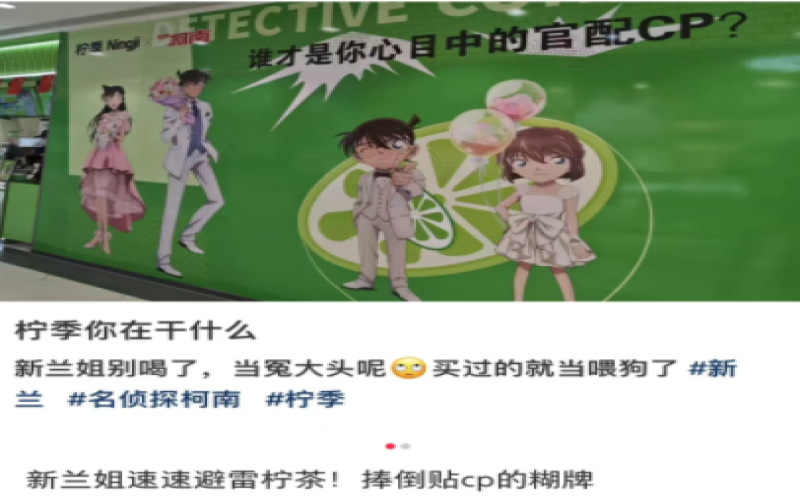
Lemon Tea's Detective Conan collaboration poster sparked controversy; after apologizing, the brand shifted blame to franchisees and faced scrutiny.
Hand-shaken lemon tea brand Ningji recently announced a collaboration with the Japanese anime "Detective Conan," but found itself embroiled in controversy over CP-themed posters displayed in its stores. The posters placed Conan alongside Haibara Ai, and Shinichi Kudo alongside Ran Mouri, sparking strong discontent among fans of the original work. Although Ningji quickly issued an apology statement, attributing the incident to unauthorized actions by an individual franchisee, netizens and industry insiders broadly rejected this explanation, believing the brand was clearly derelict in its material review and respect for the IP. Notably, this is already the second time this year that Ningji has publicly apologized over problems with marketing material oversight. For coffee and tea beverage enthusiasts, how collaborative marketing can strike a balance between respecting the original work and consumers has once again become an industry topic worth watching. [more…]
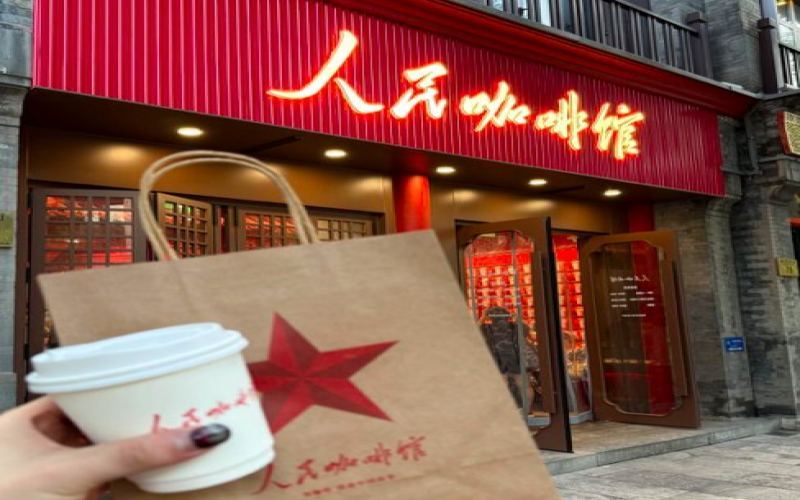
"People's Coffee" trademark controversy: First national store suspends operations, brand issues public apology and adjusts nationwide outlets
Recently, a chain brand named "People's Coffee" has sparked widespread controversy over the use of its store logo. Media pointed out that there are discrepancies between its trademark registration and actual use, which may mislead the public and damage the public value of the word "People." Subsequently, the brand "Yaochao People's Coffee" issued a statement of apology, promising comprehensive rectification, and unifying all mainland China stores under the name "Yaochao People's Coffee." Meanwhile, the first nationwide store, the Shanghai Sihang Warehouse branch, has suspended operations, and the Beijing Qianmen branch has also changed its signage and lowered drink prices. The incident continues to escalate, triggering in-depth public discussion on business ethics and legal compliance. [more…]

Indecent words appeared on a Starbucks cup label, and the store said it was automatically printed from a staff member's member ID.
Recently, a consumer in Nanjing discovered that after purchasing a drink at a Starbucks, the cup label prominently displayed a single Chinese character "骚" (meaning "flirty" or "lewd"). The store explained that the character was the staff member's membership ID within the app, which was automatically printed on the label due to the use of a coupon. The consumer questioned this, stating that they were not informed about the coupon usage when placing the order, which also involved points issues, and suspected that the staff member was pocketing the difference. The incident sparked widespread discussion online, with both sides disputing whether the name on the label came from the consumer's custom nickname or the staff member's ID, and no settlement has been reached yet. [more…]
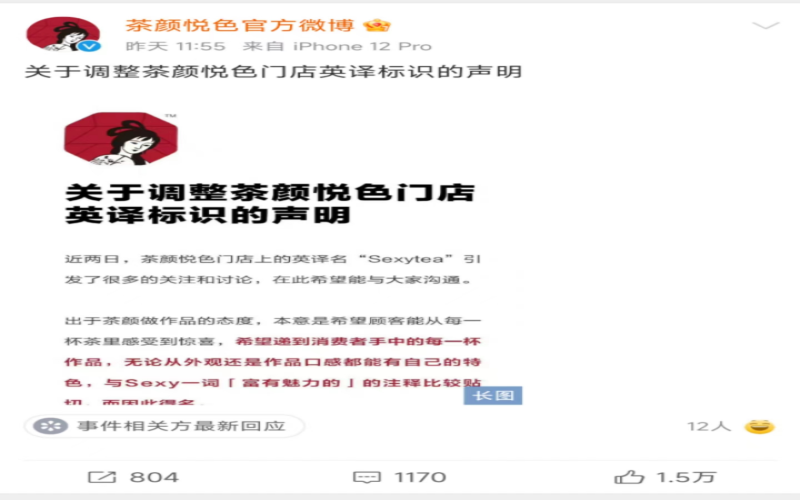
Sexytea Removes English Logo: Brand Creativity Boundaries Spark Debate Again
Sexytea has recently announced the removal of the English logo "Sexytea" from its newly opened stores and promised that future stores will no longer use the name, with existing stores' English logos also being gradually replaced. The brand explained that "Sexy" was intended to mean "charming," hoping customers would feel surprise in every cup of tea, but due to the word's multiple meanings causing controversy, they deeply apologize. The statement also mentioned that the team had discussed optimizing the English name during a mid-year review, but progress was slow, and this online discussion served as a wake-up call. Additionally, netizens dug up past incidents where Sexytea had apologized twice—once for a mug with the phrase "pick up leftovers" and once for tea bags labeled "Officer, I want it"—sparking renewed discussion about the boundaries of brand creativity. As a representative of Changsha's local guochao tea beverage scene, how Sexytea balances creativity and values is worth watching. [more…]
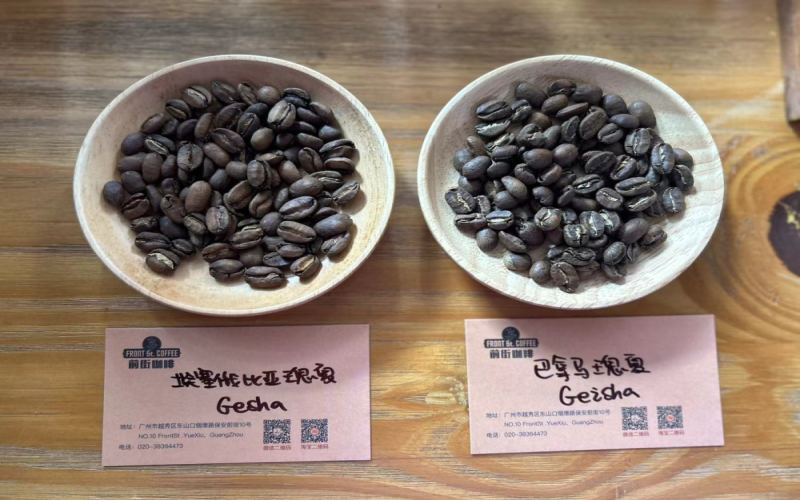
Geisha or艺妓? A Complete Flavor Analysis of Colombian Specialty Coffee Sun-Dried and Washed Beans
In recent years, Geisha coffee beans have gradually entered the public eye, and more and more coffee enthusiasts have begun to look up information about them. During their searches, many people have discovered that Geisha also has a Chinese nickname—"Geisha coffee beans." Where exactly did these two names come from? Do they refer to the same variety, Gesha? This article will trace the naming origins of Geisha, the history of the variety's spread, and how it rose to fame at Hacienda La Esmeralda in Panama. At the same time, we will also introduce the flavor differences between Geisha/Geisha beans under natural and washed processing methods, and recommend representative products such as Front Street Coffee Emerald Red Label, Green Label, and Hacienda La Esmeralda Geisha, to help you find the cup that best suits your taste. [more…]

Skip a Cup of Coffee a Day to Save for Retirement? Expert Advice Sparks Heated Debate: How to Balance Coffee Spending and Retirement Planning
As China's population aging process accelerates, the elderly care issues of the post-80s and post-90s generations are attracting increasing attention. Some experts suggest that young people should plan for retirement as early as possible—for example, by drinking one less 30-yuan cup of coffee each day, they could save nearly a thousand yuan a month, which happens to match the tax-advantaged contribution limit of the individual pension scheme. However, this suggestion has sparked widespread discussion on social media. For many young people, a 30-yuan cup of coffee every day is not a common expense, and the overall pressure of living costs is far from something that can be solved by skipping one cup of coffee. This article will explore the reality and controversy behind this topic from the perspectives of retirement data, individual pension policy, and the current state of coffee consumption. [more…]
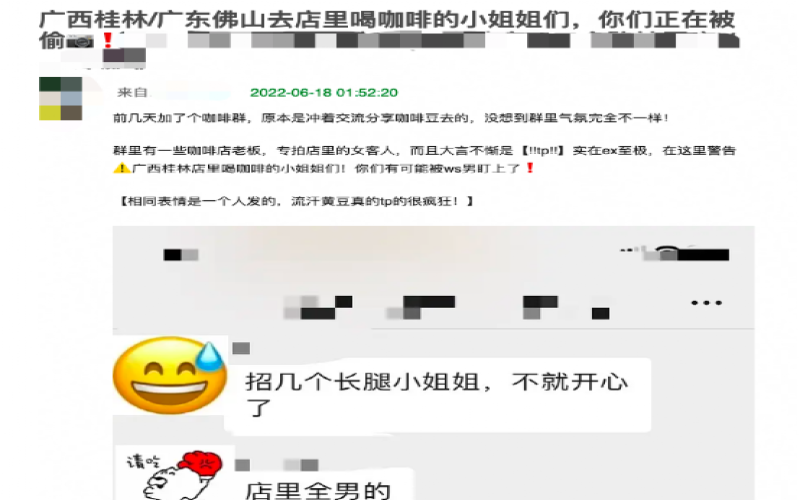
Coffee shop secretly filming female customers exposed: store fires employee and apologizes, industry image tested again
Coffee shops are supposed to be spaces for savoring and relaxation, yet a recent voyeuristic photo scandal exposed on a Douban group has shattered that tranquility. A coffee shop employee shared secretly taken photos of female customers' thighs in a WeChat group, proudly exchanging comments, which triggered strong condemnation from the coffee enthusiast community. The incident involved multiple coffee shops in Guilin, and the shops concerned issued statements one after another, apologizing for the misconduct of individual employees and dismissing or firing those involved. This incident not only violated customers' portrait rights and privacy but also cast a shadow over the professional image of the coffee industry. As coffee enthusiasts, we should pay more attention to baristas' professionalism and work ethics, and return to our love for and dedication to coffee itself. [more…]

Kunming Coffee Shop Bathroom Borrowing Dispute: Pregnant Woman Uses Restroom Without Permission, Sparking Argument; Shop Publicly Releases Surveillance Footage in Response to Negative Review
Recently, a coffee shop in Kunming, Yunnan, became embroiled in an online controversy after refusing to let a pregnant woman use its restroom. The shop said the pregnant woman used the store's toilet twice without the staff's consent; when she was reminded the second time, an argument broke out between the two sides. The pregnant woman and a man accompanying her filmed a video and posted it online, and also left a negative review of the coffee shop on a third-party platform. The shop then publicly released surveillance footage to set the record straight, and the incident quickly sparked heated discussion among netizens. Some people understood the pregnant woman's inconvenience, but more believed that whether a business's restroom may be used should be decided by the shop, and that the pregnant woman going upstairs on her own posed safety risks. Behind this dispute is the dilemma coffee shops and other businesses face when passersby ask to "borrow the toilet." [more…]
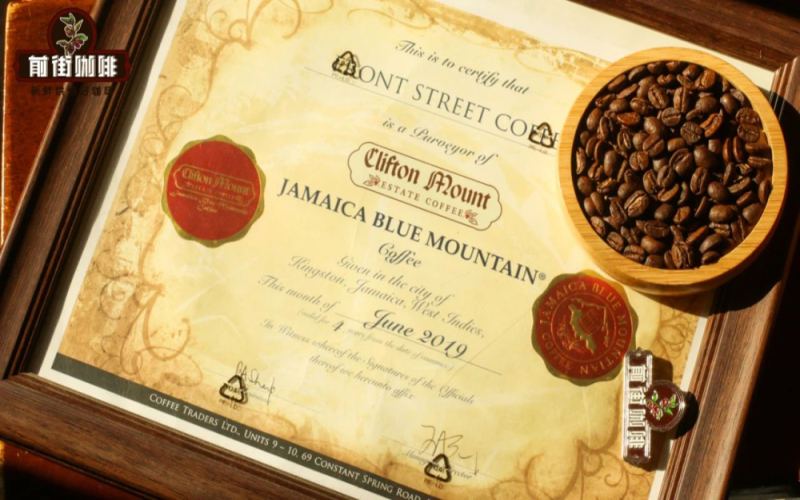
Jamaica Blue Mountain Coffee: A Comprehensive Analysis of Flavor Characteristics, Grade Classification, and Market Prices
Blue Mountain coffee is one of the most legendary beverages in the specialty coffee world, renowned globally for its balanced, elegant flavor and strict quality control standards. Many claims circulate about its price, authenticity, and grading system, such as "all Blue Mountain is bought up by the Japanese" and "you can't buy authentic Blue Mountain in China." This article starts from the historical context to clarify these controversies one by one, explains in detail the grading standards and flavor characteristics of Jamaica's Blue Mountain region, and, using Front Street Coffee's Blue Mountain No. 1 coffee beans, shares practical pour-over brewing parameters and techniques to help coffee lovers build a complete understanding of Blue Mountain coffee. [more…]
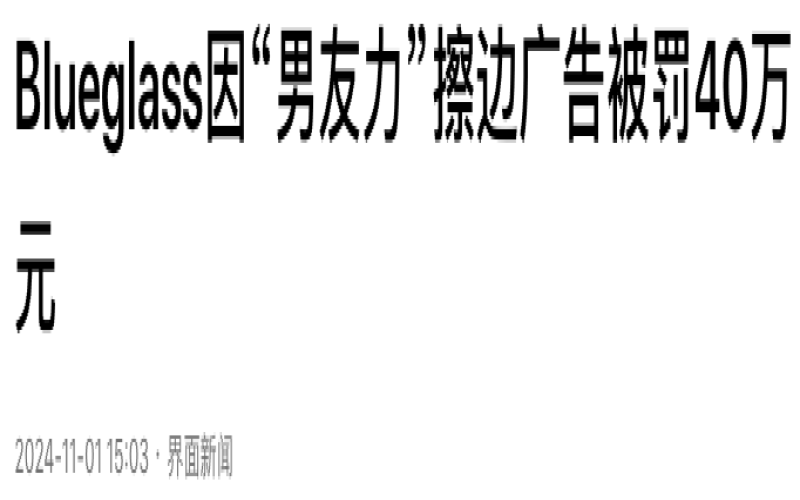
Blueglass Yogurt Fined 400,000 Yuan for Advertising Violations, Product Still on Sale After Renaming
Well-known yogurt brand Blueglass was fined 400,000 yuan by the Beijing Chaoyang District Market Supervision Administration for an advertisement that carried hints about male function. In May of this year, the brand launched the "Superboy Boyfriend Power Wins a Round" series, adding ingredients such as cistanche, polygonatum, and ginseng, and paired it with advertising slogans such as "I won't sell to anyone under 18," which sparked consumer backlash. Regulators determined that its advertisement was vulgar, bordered on pornography, and violated public order. After the case came to light, the brand removed the related advertisement, but recently reporters found that the ad image still exists in the mini-program, and the product has been renamed "Good Spirit Wins a Round," while the ingredients still include maca, deer penis, and other components. As coffee enthusiasts, we pay attention to the boundaries and compliance issues of brand marketing. [more…]